Pollen - Bane or Boon
Pollen: Bane or Boon
By Peggy Rudberg
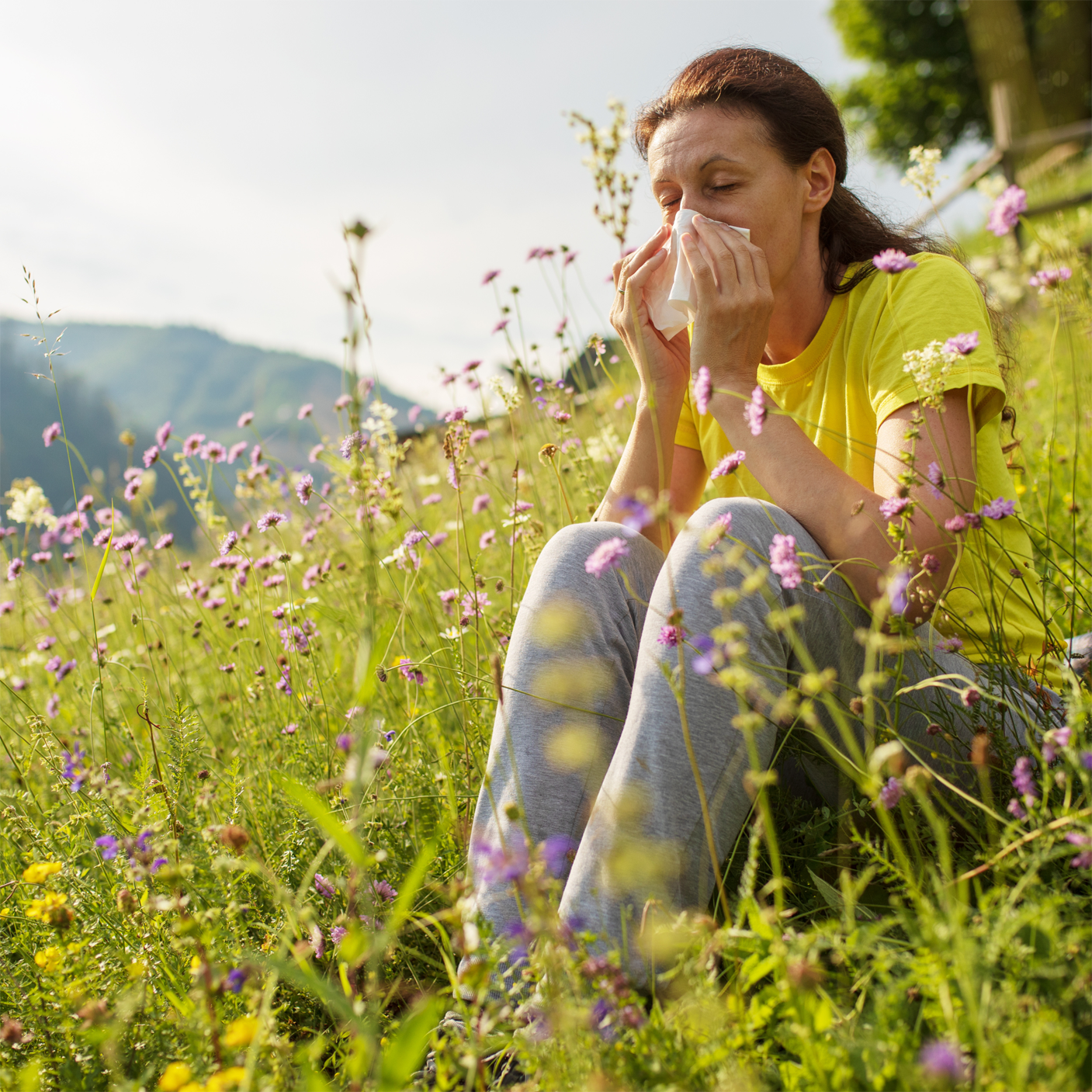
At least one in four American adults had seasonal allergies in 2021, according to the most recent study by the Centers for Disease Control. When a person is allergic to one or several types of pollen encountered through inhalation or contact, the body’s immune system releases chemicals such as histamines to fight off the perceived threat. Itchy eyes, runny nose, sneezing, coughing and throat congestion are common symptoms of seasonal allergic rhinitis, also called hay fever.
Most allergic symptoms emerge when we are young but may take years to develop and often run in families. Hormonal shifts during our lifetime can also affect the advent of allergic symptoms. Diverse plant species produce pollen made up of various proteins that provoke allergic reactions.
For all living organisms the ability to reproduce is required for their continuing existence. One way plants propagate is by producing seeds, either asexually or sexually. Sexual reproduction, combining the genetic information of two separate entities of different sexes, allows the creation of a new organism with possibilities for variation. Pollen, the male means of sexual reproduction in the seed-plant life cycle, evolved over 375 million years ago. It appears as powdery particles or dust carried by numerous means to the female organ where pollination for fertilization takes place. Initially distribution of pollen was probably by insects that evolved along with plants but later development of wind pollination (anemophily) offered increased dispersal. Most allergies are triggered by wind-pollinated plants. About 18 percent of angiosperms (flowering plants) and 98 percent of gymnosperms such as conifers are wind pollinated. Higher reproductive success rates are also achieved by increased pollen production resulting in pollen as a considerable portion of airborne elements in Earth’s atmosphere. Pollen count is highest early in the day or when windy.
As our climate warms, many plants are expanding their range, entering their reproductive cycles weeks earlier and extending their growing season while changeable wind patterns may carry pollen into new territory. Studies show that increased carbon dioxide makes some pollen more robust.
Trees release their pollen first. In New Mexico, juniper (Juniperus spp.), cottonwood (Populus spp.) and Siberian elm (Ulmus pumila) are major offenders. Then grasses such as Bermuda grass (Cynodon dactylon) and fescues (Festuca spp.) kick in. Later weeds like four-wing saltbush (Atriplex canescens), sagebrush (Artemisia spp.) and ragweed (Ambrosia spp.) bloom to irritate us. Although counterintuitive, rain may not relieve pollen sufferers. Heavy rain can break pollen grains into lighter fragments that may remain in the air for up to 11 hours.
Although pollen can cause misery for some people, it is a crucial part of life on planet Earth. Many of our crops, much of the natural world around us, bees and other pollinators and the human race depend on pollen to survive.
References:
“It’s not just you. Here’s why pollen allergies are worse than ever” by Brenda Goodman, CNN (April 4)
Weare-Regales, Natalie, et al. (2022) “Hormonal Effects on Asthma, Rhinitis, and Eczema.” National Library of Medicine.
Yamamoto, Naomichi in Fundamentals of Bioaerosols Science (2023) “Anemophily: Human health impacts.” ScienceDirect.
“How Pollen Works” by Jessika Toothman, HowStuffWorks (Nov. 30, 2023)
Republished from May 2024 SFEMG newsletter